A perfect Smith Lake day can include a quiet coffee by the dock, kids on a tube, a paddle board cruise through a calm cove, and a long ride before sunset. It can also bring plenty of boat traffic, especially on holiday weekends. That is where Smith Lake boating etiquette makes a real difference. A few thoughtful habits help everyone enjoy the water safely, protect the shoreline, and keep the lake feeling welcoming.
This is not about taking the fun out of boating. It is about recognizing that a pontoon full of family, a fishing boat at dawn, a wake boat, and a kayak all use the same water differently. The best boaters make room for one another.
Smith Lake Boating Etiquette Starts Before Launching
Good lake manners begin at the ramp. Get your cooler packed, life jackets ready, drain plug checked, and gear loaded before you pull into the launch lane. The ramp is not the place to organize towels, hunt for sunscreen, or figure out where the tube rope went. A little preparation keeps the line moving and lowers stress for everyone waiting their turn.
When it is your turn, launch efficiently and move the boat out of the way so the next person can use the ramp. If someone in your group is parking the truck and trailer, pull to a safe staging area rather than tying up the launch space longer than necessary. The same idea applies when loading up at the end of the day. Busy ramps can test anyone's patience, but a calm, helpful attitude goes a long way.
Make sure every passenger has a properly fitting U.S. Coast Guard-approved life jacket available. Children should wear theirs whenever they are on or near the water, and paddlers are smart to wear theirs at all times. Life jackets are part of a good day, not a sign that anyone expects trouble.
Keep Your Wake in Its Place
Wake is one of the biggest etiquette issues on a busy lake. A wake that feels fun behind your boat can be rough on a fisherman near the bank, a family sitting at their dock, or someone paddling a kayak around the next bend.
Slow down near docks, marinas, boat ramps, swimmers, anchored boats, and narrow areas. Follow all posted no-wake zones and local regulations. Even where there is no sign, common sense matters. If your wake is rocking boats at a dock or sending waves into a quiet cove, it is time to ease back.
Wake boats deserve a little extra awareness because their surf waves carry farther and hit harder than ordinary boat wake. Enjoy the sport, but choose open water with plenty of distance from homes, docks, shorelines, and other boats. Avoid repeatedly running the same shoreline. The water level, wind, boat traffic, and cove size all affect how a wake travels, so there is no single perfect distance for every situation. If conditions are tight, save wake surfing for a more open part of the lake.
It also helps to cross another boat's wake at a controlled speed and at an angle that feels stable for your passengers. Do not cut closely behind another boat just to get through their wake. Give the operator room and assume they may need to change speed or direction.
Give Smaller Craft Extra Room
Kayaks, paddle boards, canoes, and anglers in smaller boats are harder to see and more affected by wake. Give them a wide berth, reduce speed when passing, and watch for paddles, fishing lines, and people who may be focused on the water instead of approaching traffic.
If you are paddling, stay predictable and visible. Bright clothing, a whistle, a life jacket, and awareness of blind corners make a difference. Early morning and late evening may offer calmer water, but they can also reduce visibility. Boaters and paddlers share responsibility for seeing and being seen.
Respect Docks, Coves, and Shoreline Homes
Smith Lake is a place where people live, vacation, fish, swim, and relax. Passing a lakeside home does not mean you need to crawl along at idle speed in every situation, but it does mean paying attention to what is happening near the shore.
Watch for swimmers, floating mats, children on docks, dogs in the water, and people using personal watercraft. Never assume a quiet-looking cove is empty. Swim areas can be difficult to spot until you are closer than you should be, especially in afternoon glare.
Do not tie your boat to a private dock without permission, even for a quick stop. Avoid cutting across the end of a dock at speed, and keep music at a level that fits the setting. A playlist is part of lake life, but sound travels across water. What feels festive on your boat may be a little too much for a family eating dinner on their porch a few hundred yards away.
Anchoring takes the same kind of awareness. Choose a spot that does not block a channel, ramp approach, or common travel path. Leave room for other boats to pass without having to squeeze between your anchor line and the shoreline. If you are floating in a popular cove, keep an eye on wind, changing traffic, and how far your boat may drift.
Tow Sports Need a Bigger Safety Bubble
Tubing, skiing, and wakeboarding create some of the best memories on Smith Lake, especially for families. They also demand more space and communication than a casual cruise.
Before anyone gets in the water, assign a dedicated observer. The driver should focus on operating the boat, while the observer watches the rider, checks for traffic, and communicates with hand signals. Make sure the rider has a life jacket, understands how to signal they are okay, and knows to stay away from docks, shorelines, and other boats.
Never circle tightly around a fallen rider. Return carefully, keep the rider on the driver's side when possible, and watch for other boats entering the area. When you are towing, remember that the rider and rope extend far behind the boat. Give yourself far more room than you think you need before turning or passing another vessel.
If you see a skier-down flag or a person in the water, slow down and give that area plenty of space. The person may be tired, disoriented, or difficult to see in choppy water. This is one of those moments when courtesy and safety are exactly the same thing.
Be Predictable Around Other Boats
Most on-water tension comes from surprises: a sudden turn, a boat that changes speed without warning, or a driver who assumes everyone else knows their plan. Smooth, predictable operation makes you easier to share the lake with.
Keep a proper lookout, stay alert for changing conditions, and avoid distracted driving. Put the phone away while operating the boat. If you need to check directions, take a photo, or answer a message, hand the controls to a capable adult or stop somewhere safe first.
Learn the navigation rules and follow markers. Know which side to pass on, understand right-of-way situations, and use navigation lights after dark. When in doubt, slow down. Yielding a little extra space is almost always better than forcing a close call.
Alcohol deserves an honest mention, too. Lake days often include cookouts and cold drinks, but the person driving the boat needs a clear head. Sun, heat, fatigue, and motion can magnify impairment faster than people expect. Choose a sober operator before leaving the dock and make a plan for the trip home.
Leave Smith Lake Better Than You Found It
Great boating etiquette includes the shoreline and water itself. Secure trash so napkins, cans, snack wrappers, and float packaging do not blow overboard. Bring a bag for trash, pick up what your group brings, and never treat a cove as a place to leave bottles or broken gear behind.
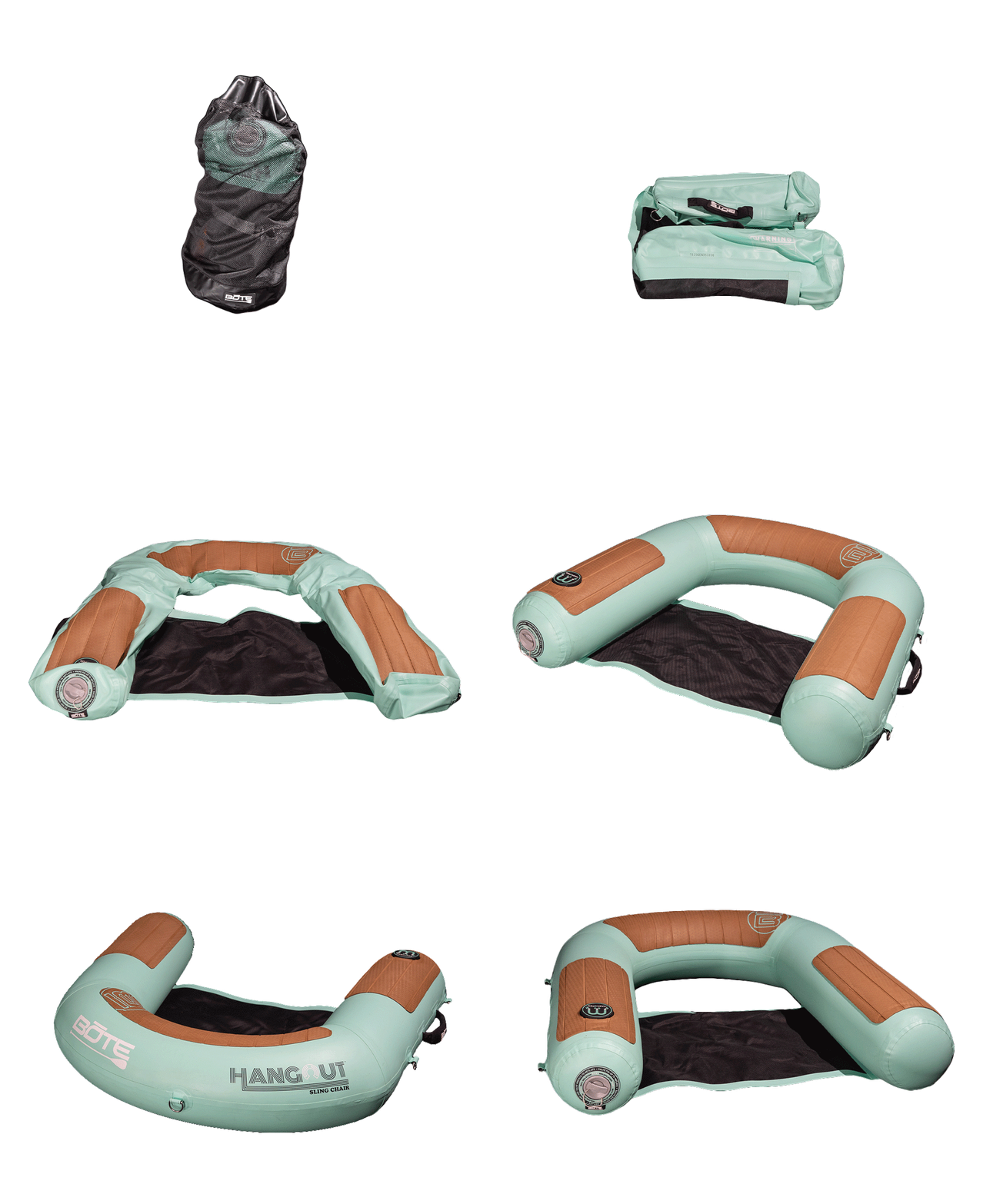
Be careful with fuel, oil, and cleaning products around the water. Use designated facilities when available and avoid dumping anything into the lake. If you bring a floating mat, paddle board, tube, or waterproof bag, check that it is secure before heading out. Losing gear is frustrating, and loose equipment can become a hazard for other boaters.
For families, this is a useful lesson to make part of the routine: everyone helps carry something off the boat. One person grabs towels, another takes cups and snacks, and another checks the seating area for trash. It takes less than a minute and keeps the lake beautiful for the next weekend.
A good day on Smith Lake is not measured by how fast the boat went or how loud the music played. It is the easy feeling of getting home with happy kids, a safe crew, and neighbors who are glad to share the water with you. Pack the right gear, give people room, and bring the kind of lake manners that make others want to pass along the same courtesy.