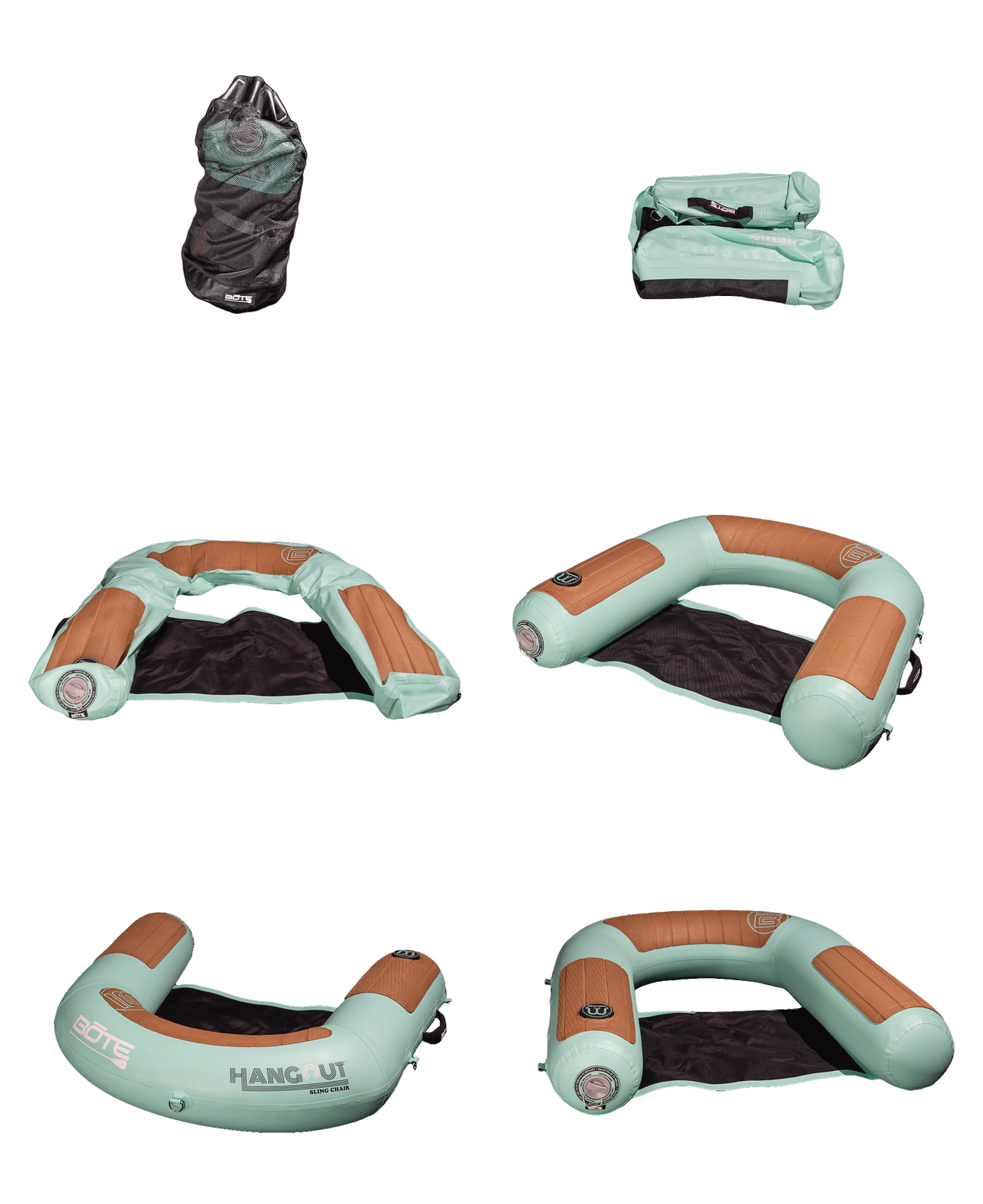
A quiet Smith Lake cove can make a first kayak or paddle board outing look easy, but the water can change quickly once boat traffic, wind, and afternoon weather move in. This beginner paddle sports safety guide is built for families, vacationers, and new paddlers who want more fun lake days without taking unnecessary chances.
The goal is not to make paddling feel complicated. It is to help you build a few simple habits before you leave the shoreline, so you can focus on the view, the company, and that peaceful stretch of water ahead.
Start With the Gear That Keeps You Afloat
The first item on every paddler's checklist is a properly fitted life jacket, also called a personal flotation device or PFD. Wear it, do not just strap it to the back of the board or tuck it under a kayak seat. A PFD only helps if it is on when a surprise wake, slip, or capsize happens.
Fit matters as much as having one. Fasten every buckle and adjust the straps so the vest is snug but comfortable. If you lift at the shoulders, it should not slide up around your ears. Children need a U.S. Coast Guard-approved PFD sized for their weight, and a responsible adult should check the fit before every launch.
Your paddle craft needs attention, too. Beginners often find a wider, more stable paddle board easier to learn on than a narrow performance board. For kayaking, a stable recreational kayak is usually a better first choice than a longer, quicker model designed for experienced paddlers. A board leash can be useful on calm, open water, but use the leash designed for your activity and conditions. Avoid a fixed ankle leash where moving water or snag hazards could create a problem.
Bring a whistle, a waterproof phone case, drinking water, and sun protection. On a longer outing or any route that takes you away from familiar shoreline, add a small dry bag with a first-aid kit, a light layer, and a snack. At Smith Lake Gifts and Outdoors, paddlers can find practical lake-day essentials in the same stop as PFDs, waterproof packs, sunglasses, and paddle sports gear.
Beginner Paddle Sports Safety Guide: Read the Lake First
The lake is not the same at 8 a.m. as it is at 2 p.m. Morning water may be glassy and calm, while weekend boat traffic can build quickly later in the day. Wind can also turn a comfortable return paddle into a tiring one, especially for a beginner standing on a paddle board.
Before launching, look at the sky, feel the wind, and notice where it is pushing across the water. If you paddle out with the wind at your back, remember that you may be paddling against it to get home. A short route along a protected shoreline is usually the better choice for a first trip than crossing a wide section of lake.
Thunderstorms deserve extra caution. If you hear thunder or see lightning, get off the water and move to shelter. A paddle, kayak, and open water are not places to wait and see whether a storm will pass. Check the forecast before leaving, then keep watching conditions rather than assuming they will stay the same.
Water temperature matters, even when the air feels warm. Cool water can take the wind out of you after an unexpected fall. Spring and early-season paddlers should stay close to shore, dress for the water temperature, and avoid heading out alone.
Choose a Launch Spot With an Easy Exit
A good launch is more than convenient parking. Look for a place where you can step into shallow water, take your time getting balanced, and return without fighting waves or boat wakes. Avoid busy boat ramps during peak traffic when possible. They are designed for boats, not for a relaxed first paddle.
Pick a turnaround point before you launch. It might be the next point, a quiet dock, or the end of a protected cove. Planning a modest route makes it easier to turn back early if wind, fatigue, or changing conditions tell you it is time.
Give Boats, Docks, and Wakes Extra Space
On a large recreational lake, paddlers share the water with pontoon boats, fishing boats, personal watercraft, and tow sports. Do not assume a boat operator can see you, especially in glare, chop, or a crowded area. Bright clothing can help visibility, but smart positioning matters more.
Stay close to shore when it is safe to do so, and avoid lingering in channels, near blind turns, or in the path of moving boats. Cross open areas quickly and directly after checking for traffic in both directions. If you are paddling with a group, stay together rather than spreading across a wide area.
Boat wakes can feel intimidating at first, but the right response is calm and simple. In a kayak, point your bow toward the wake at an angle and keep a loose, balanced posture. On a paddle board, bend your knees, lower your center of gravity, and face the wake rather than letting it hit you from the side. If you are unsure, kneel on the board until the water settles. Kneeling is a smart adjustment, not a failure.
Give docks, fishing lines, and anchored boats plenty of room. A quiet-looking area may still have someone casting from shore or a boat moving unexpectedly. Respectful distance keeps everyone safer and makes the lake more enjoyable for all kinds of users.
Practice the Skills You Will Need After a Fall
Every beginner should expect to end up in the water at some point. Make the first time a practice session in calm, shallow water with a friend nearby, not an accidental fall far from shore.
For a paddle board, start on your knees, then move to standing when you feel steady. Practice falling away from the board rather than onto it. To get back on, hold the center handle, kick your legs behind you, and slide your chest onto the board before repositioning. If standing feels shaky after a fall, continue on your knees until you regain confidence.
For a kayak, learn how your boat feels when you shift your weight, turn, stop, and paddle backward. If you capsize, stay with the kayak and paddle whenever possible. The craft is easier for others to spot than a person alone in the water, and it provides flotation while you get your bearings.
Paddle with another person when you are learning. A buddy can help retrieve a drifting board, offer support after a fall, and notice early signs of fatigue. If you do go alone, keep the route short, stay near shore, and tell someone your exact plan.
Make a Float Plan Before the Fun Starts
A float plan does not need to be formal. Before you leave, tell a family member or friend where you are launching, where you expect to paddle, who is with you, and when you plan to return. If your route changes, send a quick update while you still have service.
Keep your phone protected but accessible. A phone sealed deep inside a bag is less useful in an urgent moment. Many paddlers wear a waterproof phone pouch around the neck or secure it in an easy-to-reach pocket. Make sure it is charged, and consider bringing a small backup battery on a longer day.
Alcohol and paddling are a poor combination. Balance, decision-making, reaction time, and body temperature awareness all matter on the water. Save the celebratory lake drink for after your gear is put away and everyone is safely back at the dock.
Know When to Turn Around
The most experienced-looking choice on the water is often turning around early. Head back if the wind rises, clouds build, wakes become constant, a child is getting cold, or your arms are more tired than expected. There will be another calm morning and another cove to explore.
For families, leave extra time for sunscreen breaks, water breaks, and slow paddling. Children may enjoy a 20-minute shoreline adventure far more than a long route that leaves them tired or nervous. Let the newest or youngest paddler set the pace.
Build Confidence One Calm Outing at a Time
Paddle sports become more enjoyable when basic safety starts to feel automatic. Wear the PFD, watch the weather, choose protected water, give boats room, and keep your first routes comfortably short. Those habits create room for the best parts of lake life: warm sunshine, quiet coves, laughing kids, and the kind of Smith Lake memories that bring everyone back to the water next weekend.