A good lake morning has a certain rhythm: coffee on the dock, a quiet cove before the boat traffic picks up, and a board waiting at the water’s edge. Paddle boards make it easy to enjoy that kind of time at Smith Lake. They can be calm and quiet, family-friendly and active, or a simple way to get out on the water without making a whole day of it.
Whether you are shopping for your first board, adding one for visiting family, or replacing a well-used favorite, the right choice comes down to how you actually spend time at the lake. A board that feels stable for a relaxed cruise may be a better fit than a fast, narrow model that looks great but stays in the garage.
Choose Paddle Boards Around Your Lake Day
Start with the water you paddle most often. Smith Lake offers wide-open stretches, protected coves, rocky shorelines, and plenty of places where a board can turn an ordinary afternoon into a favorite family memory. Conditions can change quickly when boat wakes pick up, so a little extra stability goes a long way for most recreational paddlers.
For lake homes, weekend cabins, and family use, an all-around stand-up paddle board is usually the easiest place to start. These boards tend to have a wider deck and a rounded shape that feels comfortable underfoot. They work well for beginners, kids building confidence, adults who want a casual workout, and anyone who plans to paddle near the dock, around a cove, or alongside a kayak.
A touring-style board is longer and narrower, designed to track more efficiently through the water. It can be a great option for experienced paddlers who enjoy covering distance early in the morning or want a more fitness-focused ride. The trade-off is that it may feel less forgiving when the water gets choppy. For many lake families, a stable all-around board gets used more often.
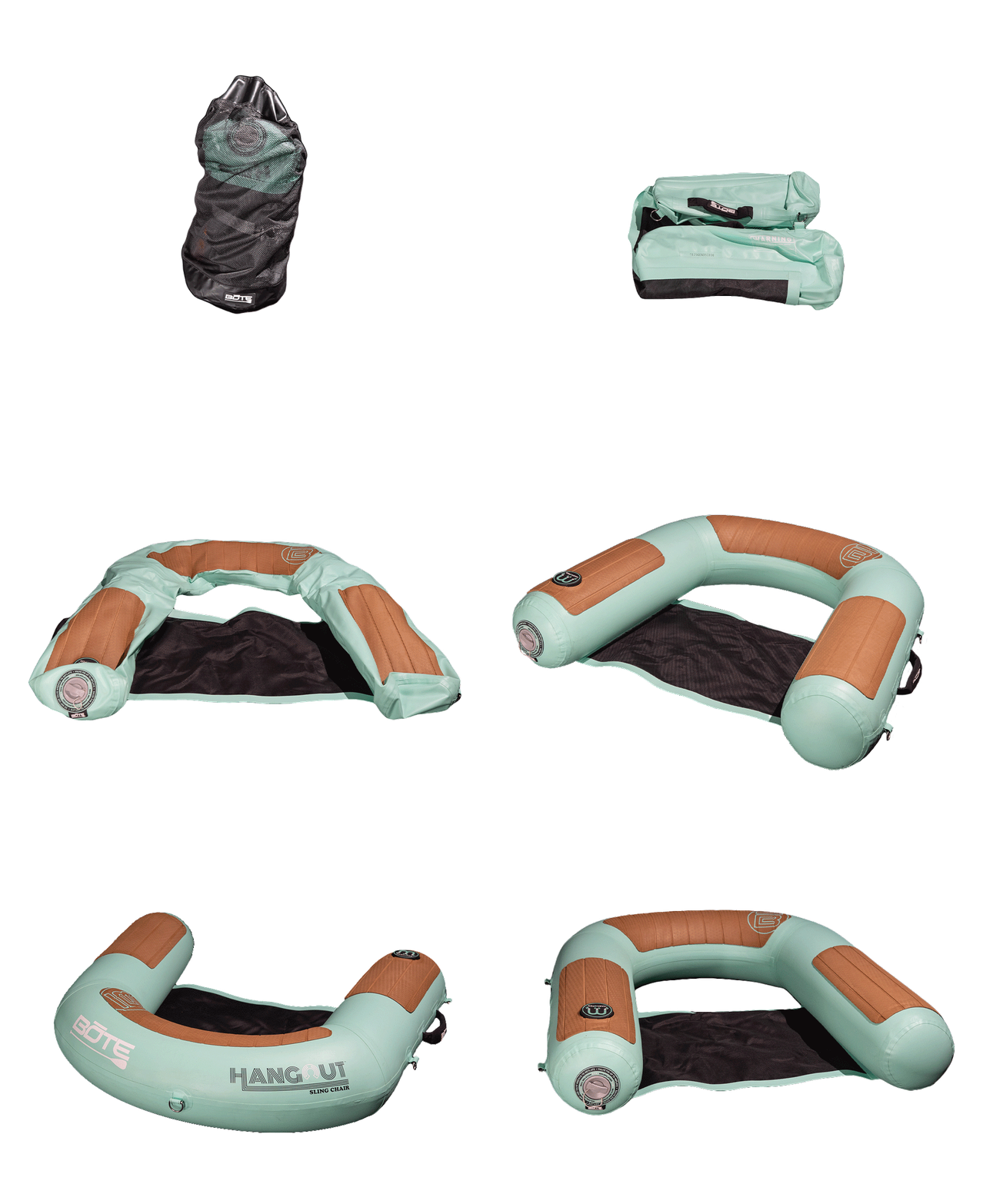
Inflatable boards are a practical choice when storage is tight. They can be deflated, packed away, and carried in a vehicle without needing roof racks or a dedicated garage wall. Quality inflatable boards are firm when properly inflated and are especially handy for vacationers or homeowners who need to make the most of limited space. A rigid board is ready to launch at a moment’s notice and can offer a more direct, responsive feel, but it needs more room to store and transport.
Size Matters More Than Most Shoppers Expect
The best paddle board is not simply the longest or widest one on the rack. It needs to match the paddler’s weight, skill level, and intended use. Board volume and weight capacity help determine how high the board sits in the water and how stable it feels.
A wider board generally offers more confidence for beginners, families, and anyone bringing along a child or dog. Width is particularly helpful around busy lake traffic, where wakes can reach your cove even when you are not near the main channel. Longer boards can glide more efficiently, while shorter boards are easier to turn and handle around docks.
Check the listed weight capacity before purchasing. That number should account for the paddler plus gear, a cooler, a child, or a four-legged first mate. Staying well below the maximum capacity usually creates a better ride. A board overloaded with passengers and towels may still float, but it will feel slower, less stable, and harder to control.
If one board will serve several people, choose for the heaviest regular user and lean toward a wider, all-around shape. It is much easier for a smaller person to enjoy a stable board than for a larger person to manage one that sits too low in the water.
Think About Who Will Be Using It
A paddle board for a confident adult is different from a board intended for grandchildren, visiting friends, or a family that wants to take turns all afternoon. For shared lake gear, simplicity wins. Look for a comfortable deck pad, an easy-carry handle, dependable fin setup, and enough stability that a first-timer can stand without feeling like every little wake is a test.
Children should always use a properly fitting life jacket and paddle where adults can keep a close eye on them. They may be most comfortable sitting or kneeling at first, which is completely fine. Stand-up paddling does not have to begin with standing up.
The Gear That Makes the Day Easier
A board is the main event, but a few essentials make the experience safer and more enjoyable. A personal flotation device is a must for every paddler. Choose one that fits comfortably enough to wear, not one that gets left on the dock because it is bulky or inconvenient.
A leash is another smart addition, especially when paddling away from shore or in areas with boat traffic. If you fall, the leash helps keep the board within reach instead of letting it drift away. Use the leash correctly for your type of paddling and local conditions, and avoid attaching yourself in moving water where entanglement can become a concern.
An adjustable paddle is worth having for a shared board because it can be set to different heights. For standing, a common starting point is a few inches taller than the paddler. When kneeling or sitting, shorten it. The goal is a comfortable stroke that does not force shoulders to do all the work.
Bring water, sunscreen, and a waterproof pack or dry bag for a phone, keys, and a small snack. Lake days can feel easygoing right up until someone realizes the car key is in a wet towel pile. A lightweight anchor can also be useful for floating, swimming, or taking a break in a quiet spot, provided it is used responsibly and does not interfere with other boaters.
A Few Smart Habits on Smith Lake
Paddle close to shore when you are learning, and choose quieter hours when possible. Early mornings and calmer weekday stretches often make the best time for a first outing. Watch the weather before launching, since wind can make returning to your starting point much harder than expected.
Stay visible around boats, give docks and anglers plenty of room, and avoid assuming other traffic has seen you. Bright apparel, a whistle, and a light for low-light conditions can add another layer of awareness. Keep an eye on changing water levels, submerged obstacles, and the wakes that can roll through popular areas.
When a boat wake approaches, many new paddlers try to freeze. It is usually better to bend your knees slightly, face the wake head-on when you can, and keep your paddle in the water for balance. Kneeling down is always an option if conditions feel bigger than your comfort level. There is no prize for staying upright in rough water.
Make Paddle Boarding Part of the Lake Routine
The boards that get used most are the ones that are easy to reach. Store yours where it can be carried to the dock without a major production, keep the paddle and life jackets together, and rinse off mud or lake debris before putting everything away. For inflatables, let the board dry before packing it up to help prevent moisture and mildew.
Paddle boarding also pairs naturally with the rest of a lake day. Take a slow lap before breakfast, paddle to a shaded shoreline for a swim, or use the board as a front-row seat for a sunset that looks better from the water. At Smith Lake Gifts and Outdoors, lake gear is part of a bigger idea: spending less time hunting for what you need and more time enjoying where you are.
The right board does not have to turn you into a serious paddler. It just needs to make you want to step off the dock, push away from shore, and stay out a little longer.