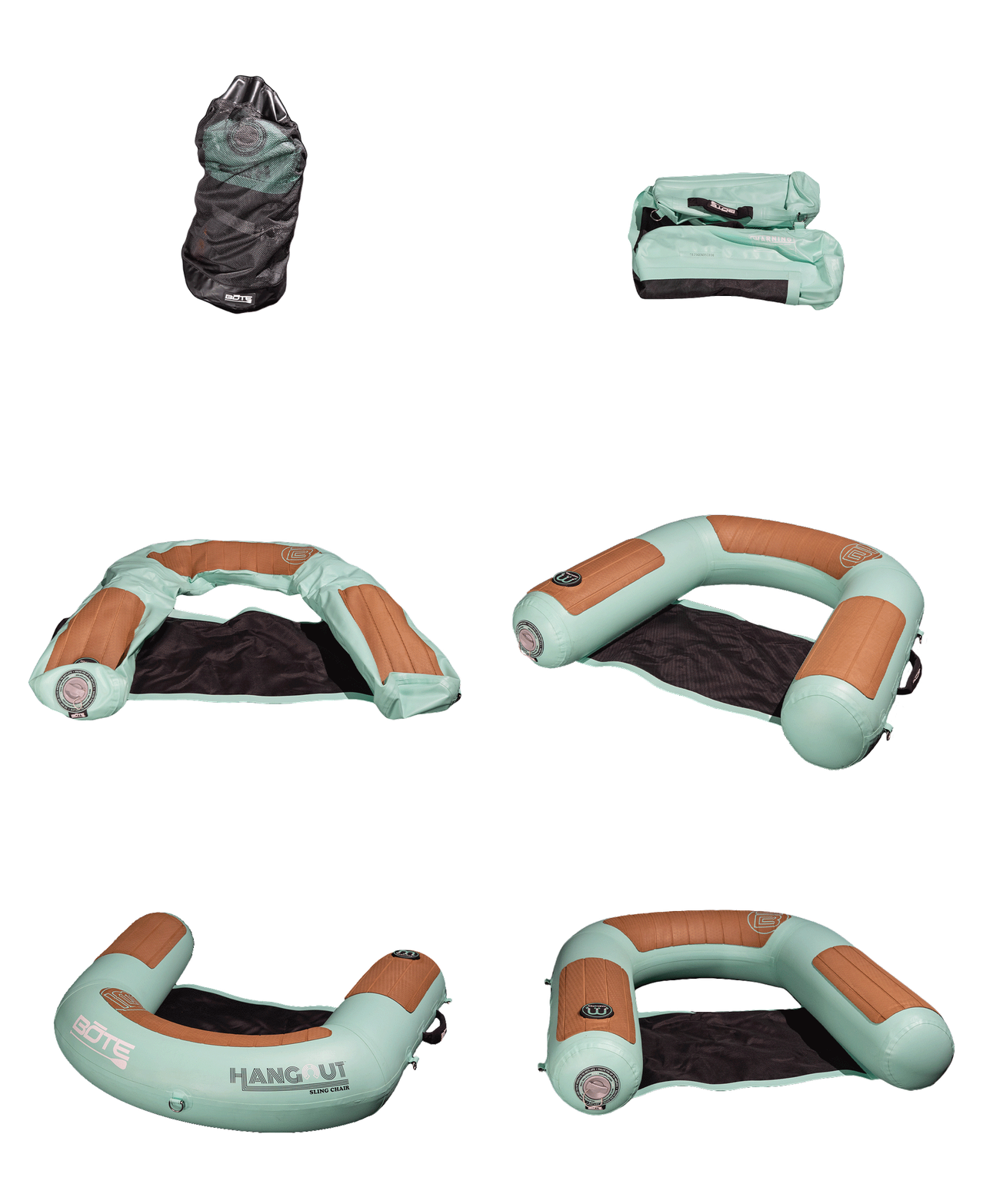
A paddle board that fits in a closet, rides in the back of an SUV, and comes out for every sunny Smith Lake weekend sounds convenient. But are inflatable paddle boards durable enough for real lake life - boat wakes, dock days, kids, dogs, and the occasional less-than-graceful launch? For most recreational paddlers, the answer is yes, provided they choose a well-made board and treat it like the useful piece of outdoor gear it is.
The big surprise for first-time shoppers is how firm a quality inflatable paddle board feels when it is inflated to the recommended pressure. It is not a pool float. A good iSUP is designed to support paddlers, gear, and plenty of ordinary on-the-water fun while staying stable underfoot.
Are Inflatable Paddle Boards Durable for Lake Use?
A quality inflatable paddle board can hold up very well on freshwater lakes. Most are built with a dense drop-stitch core, meaning thousands of tiny threads connect the top and bottom layers inside the board. When the board is inflated, those threads create its flat, rigid shape instead of allowing it to puff up like an inflatable mattress.
That inner core is wrapped in tough PVC layers, with reinforced rails around the edges where bumps and scrapes are most likely. Better boards often use multiple layers or reinforced construction in high-wear areas. This is why a properly inflated iSUP can handle normal contact with sandy shorelines, gentle dock landings, and regular loading in and out of a vehicle.
For Smith Lake paddling, an inflatable board is especially practical because it is easy to carry down a path, store at a lake house, or pack for a weekend trip. You do not need roof racks or a large garage wall to enjoy time on the water.
Still, durable does not mean indestructible. A paddle board can be damaged by sharp rocks, exposed screws, fish hooks, broken dock hardware, or being dragged over rough pavement. Treat it as durable sports equipment, not something to toss around, and it can provide years of use.
What Makes One Inflatable Board Last Longer?
Construction quality makes the biggest difference. Less expensive boards may look similar in photos, but a well-built board generally has stronger seams, better rail reinforcement, more dependable valves, and materials that feel more substantial under pressure. It will also tend to feel stiffer on the water, which matters when a larger adult, a child, or a small cooler is along for the ride.
Pay attention to the board's recommended pressure range. Many recreational iSUPs are designed to be inflated around 12 to 15 PSI, though the manufacturer's instructions should always be the final word. Underinflating a board makes it flex more than it should. That can affect tracking, stability, and long-term wear. Overinflating it can put unnecessary stress on seams, especially on a hot Alabama afternoon.
Weight capacity is another useful clue. A board rated for the paddler, a child, and a dry bag will usually be more stable than a board that is already near its limit with one adult aboard. Capacity ratings are not just a marketing detail. Choosing the right size helps the board perform as intended.
The care that happens between lake days matters, too. Sun exposure, heat, and improper storage can shorten the life of any outdoor product. UV-resistant materials help, but leaving an inflated board baking on a dock all day is harder on it than paddling it for a few hours and putting it away.
The rails and seams deserve attention
The seams and rails are the areas worth checking before and after the season. Look for lifting tape, loose material, air bubbles, or a board that seems to lose pressure faster than normal. A small issue spotted early is usually much easier to address than a seam problem ignored for months.
It is also smart to inspect the fin box, valve, D-rings, and bungee attachments. These parts see frequent use when the board is carried, loaded, tied down, or fitted with gear. They should feel secure, with no cracks or unusual movement.
Inflatable vs. Hard Paddle Boards: The Durability Trade-Off
Hard paddle boards have their own strengths. They can feel more rigid, may glide more efficiently, and are often preferred by performance-oriented paddlers who want speed or a very specific board shape. But hard boards can chip, crack, or dent when they hit docks, rocks, or boat ramps. They also take up more storage space and can be awkward to transport.
Inflatable boards are more forgiving when bumped against a dock or dropped on a shoreline. Their flexible outer material absorbs a lot of everyday contact that might leave a visible mark on a hard board. For casual lake use, families, and vacation homes, that is a real advantage.
The trade-off is that inflatables need proper inflation, a few minutes of setup, and reasonable protection from sharp objects and extreme heat. They may not be the first choice for someone chasing racing performance, but they are a strong choice for relaxed paddling, floating coves, fishing, yoga, and taking the kids out near the shoreline.
How to Keep Your iSUP in Good Shape
Good habits are simple and make a meaningful difference. Rinse the board with fresh water after use, especially if it has been around muddy banks, sunscreen, food, or spilled drinks. Let it dry before rolling it up so moisture does not sit inside the bag or around the seams.
Avoid dragging it across gravel, concrete, or rough dock surfaces. Carry it by the center handle when possible, or use a shoulder strap if your board includes one. A few extra seconds at the boat ramp can prevent needless scuffs.
When the board is inflated, keep an eye on the heat. Direct sun can raise internal air pressure quickly. If the board will be out of the water and sitting in full sun for a long stretch, move it to shade or release a little air according to the manufacturer's guidance. Never leave it in a hot, sealed vehicle while fully inflated.
For storage, a clean, dry board kept out of direct sunlight is the goal. It can usually be stored inflated if there is room, though many owners roll it up and keep it in its bag during the off-season. Do not fold it tightly around the fin box or force it into a cramped space. A loose, tidy roll is easier on the material.
Can an Inflatable Paddle Board Be Repaired?
Yes. Small punctures and minor leaks are often repairable with the patch kit that comes with many boards. Before applying a patch, make sure the board is clean, dry, and fully deflated. Follow the repair-kit directions carefully, including any cure time for adhesive.
If air is escaping near the valve, the valve may simply need to be tightened with the correct tool. Do not over-tighten it, and do not guess at a repair if you are unsure where the leak is coming from. A little soapy water brushed over a suspected area can reveal escaping air through small bubbles.
Larger seam damage, significant rail separation, or a damaged valve should be evaluated by a qualified repair service or the manufacturer. A board that has suffered major damage is not something to take out for a long paddle just to see if it holds.
When an Inflatable Board May Not Be the Best Fit
An inflatable paddle board is not automatically the right choice for every paddler. If you routinely launch around sharp oyster beds, jagged rocks, or heavily damaged docks, you will need to be especially cautious. Likewise, a serious racer or someone who wants maximum speed on long-distance trips may prefer a hard board designed for performance.
But for most families and recreational paddlers, the convenience is hard to beat. An iSUP makes it easier to say yes to an hour on the water after breakfast, a sunset paddle from the dock, or a spontaneous cove stop with friends. At Smith Lake Gifts and Outdoors, that kind of easy, everyday lake fun is exactly what the right gear should support.
Before your next paddle, give your board a quick pressure check, scan the launch area for sharp hazards, and bring a properly fitted life jacket for everyone on the water. Then enjoy the part that matters most: a good, unhurried day on Smith Lake.