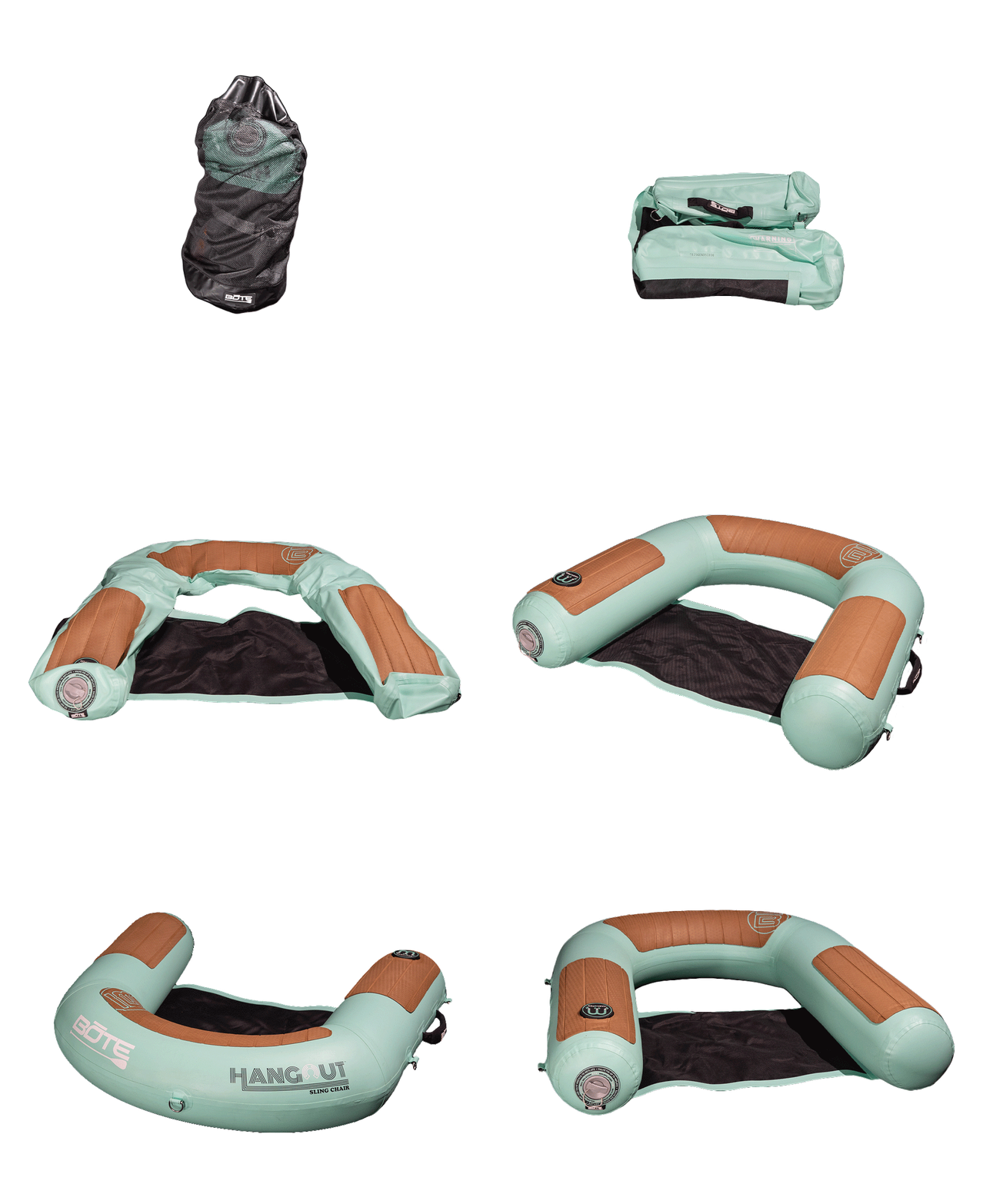
A great paddleboard day can start with something as simple as a calm cove, a cold drink in the cooler, and the right first move off the shore. Knowing how to launch a paddleboard makes that first few minutes easier, safer, and much more fun - whether you are heading out from a dock, a boat ramp, a quiet shoreline, or your own Smith Lake property.
Launching is not about looking like an expert. It is about taking a moment to read the water, protect your board, and get settled before you paddle away from shore. Once you have the routine down, you can spend less time wobbling at the edge and more time enjoying the lake.
Start With a Smart Launch Spot
The best launch spot is usually not the closest patch of water. Look for a shallow, calm area with a gradual entry and enough room to move away from the shore without drifting into boats, docks, swimmers, or fishing lines.
A sandy or gently sloped bank is ideal, especially for beginners. You can walk your board out until the fin has enough clearance, then step on without scraping the bottom. Rocky shorelines are common around Smith Lake, so move slowly and watch where you place both your feet and your board. Dragging a board over sharp rocks can damage the underside, while setting a fin down hard can bend or crack it.
Boat ramps can work well, but they require extra awareness. Stay to the side rather than blocking the ramp, and keep an eye out for trailers, launching boats, and wake from passing traffic. If the water is busy, a quieter shoreline or protected cove may be a better choice.
Before carrying your board down, take a look at the wind. A light breeze can become surprisingly strong once you are standing on the water. If possible, launch into the wind so the return trip is easier. Starting with the wind at your back can feel great for the first few minutes, but paddling home against it can be a workout you did not plan for.
What to Check Before You Carry Your Board
A little preparation at the car, lake house, or dock keeps small problems from following you onto the water. Inflatable paddleboards should be fully inflated to the pressure listed by the manufacturer, with the valve cap secured. Hard boards should be checked for cracks, loose hardware, or damage around the fin box.
Make sure your fin is attached before you head to the water. The fin helps your board track straight and gives you more control, especially when you are paddling near docks or dealing with small boat wake. Keep the board fin-up while carrying it across pavement, rocks, or grass so it is less likely to catch on anything.
You will also want your leash, paddle, and personal flotation device ready before launch. Attach the leash to the board first, then secure the other end around your ankle or calf according to the leash style. A leash keeps the board within reach if you fall, which matters even for strong swimmers. Wear a properly fitted life jacket or personal flotation device, and check current local requirements before you go. On a busy lake, wearing it is the easy choice.
For longer paddles, bring water, sunscreen, and a waterproof pack for your phone and keys. Smith Lake afternoons can turn warm quickly, and the sun reflects off the water more than many paddlers expect. Leave valuables in the car when possible, or keep them secured in a dry bag attached to the board.
How to Launch a Paddleboard From Shore
The easiest way to launch a paddleboard is to start on your knees. Carry the board by its center handle with the nose facing forward and the fin toward the back. If you are carrying a larger board or walking over uneven ground, ask a family member or friend to help rather than wrestling it down the bank.
Set the board in shallow water with the nose pointing away from shore. Walk alongside it until the water is deep enough that the fin is floating clear of the bottom. For most boards, that is around knee-deep water, though it depends on the fin size and the slope of the shoreline.
Hold the board steady by the rails, one hand on each side. Place one knee at a time on the deck pad, staying close to the center carry handle. Your weight should be centered, not too far forward near the nose or too far back over the fin. Kneeling gives you a low center of gravity and lets you get comfortable before you worry about standing.
Use the paddle like a brace if you need it. Lay it across the board in front of you or keep one hand on the shaft while you settle in. Take a few short strokes on your knees to move into deeper, clearer water. This is especially helpful near rocky banks, docks, and shallow coves.
When you are ready to stand, place the paddle across the board in front of you. Put your hands flat on the deck, step one foot at a time where your knees were, and rise slowly. Keep your feet about shoulder-width apart, knees soft, and eyes looking toward the shore ahead of you rather than down at your feet. Looking down makes it harder to balance because your body tends to follow your gaze.
Launching From a Dock or Swim Platform
A dock launch can be convenient, but it adds one challenge: the board may move away from the dock as you step on. Start by placing the board parallel to the dock in calm water, with the fin clear of the bottom and the nose pointed toward open water.
Sit on the dock first, then lower yourself onto the board in a kneeling position. Keep one hand on the dock until both knees are centered on the deck pad. Once you are stable, gently push away with your hand or paddle and take a few kneeling strokes before standing.
Avoid jumping from a dock onto a paddleboard. It can send the board shooting out from under you, damage the board against the dock, and put you in the water before you have even started. The slow approach is the one that gets you paddling sooner.
Handle Wake, Wind, and Other Lake Traffic
Smith Lake is made for boating, which means paddleboarders need to expect wake. If a boat passes and sends waves your way, point the nose of your board toward the wake instead of letting it hit you broadside. Bend your knees, lower your center of gravity, and keep your paddle in the water for support.
If the wind picks up right after launch, do not force a long route just because it was your original plan. Stay closer to shore, turn back early, or paddle from one protected cove to another. Conditions change, particularly around open stretches of water and later in the day.
Give boats, personal watercraft, docks, anglers, and swimmers plenty of room. Be easy to see by wearing bright gear when possible, and do not assume another boater knows where you plan to go. Predictable movements make everyone safer.
A Few Beginner Mistakes Worth Avoiding
The most common launch mistake is standing up too soon. There is no prize for popping up at the shoreline. Paddle on your knees until you are clear of rocks, traffic, and shallow water, then stand when the board feels steady.
Another mistake is holding the paddle backward. The angled blade should generally face forward, away from you, so it reaches cleanly through the water. If it feels awkward at first, practice a few strokes near shore before heading out.
Finally, do not launch without a plan for getting back. Check the wind direction, know where you will land, and tell someone where you are going if you are paddling beyond your immediate shoreline. A simple loop close to home can be every bit as enjoyable as a long-distance paddle.
A paddleboard is one of the best ways to slow down and see Smith Lake from a fresh angle. Start calm, launch carefully, and let the rhythm of the water take over. When you are ready for your next lake day, Smith Lake Gifts and Outdoors can help you get set up with paddle sports essentials made for time well spent outside.