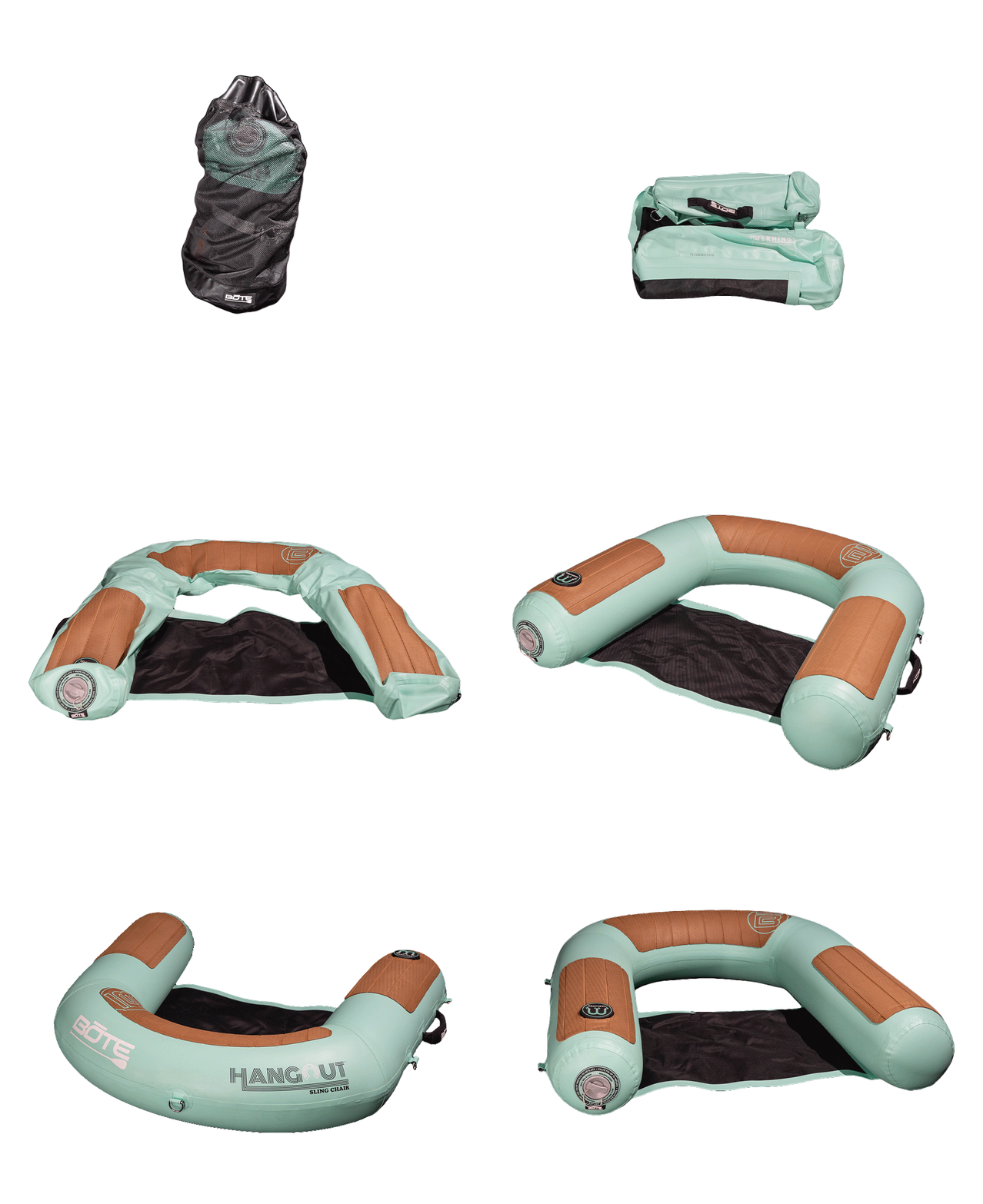
A quiet cove, a packed cooler, a fishing rod or two, and enough room to bring the kids along for a short ride - that is exactly the kind of lake day a BOTE Mule paddle board is built to support. It is not the board most people choose for racing across open water. It is a spacious, stable option for people who want their paddle board to carry more of the day with them.
For Smith Lake families, homeowners, and visitors, that distinction matters. Our lake offers calm morning water, tucked-away shoreline, busy holiday boat traffic, and plenty of reasons to carry extra gear. The right board is the one that fits how you actually spend time on the water, not just how it looks rolled out on the dock.
What Makes the BOTE Mule Paddle Board Different?
The BOTE Mule paddle board is designed around capacity and stability. Its broad platform gives paddlers a more secure standing area than a narrow, performance-focused board, while its gear-ready layout makes room for the extras that turn a quick paddle into an all-afternoon outing.
That wider shape can be especially appealing if you are new to stand-up paddle boarding, are a larger paddler, enjoy fishing, or regularly bring a child or dog along. A little extra width helps the board feel less twitchy when you shift your feet, reach into a cooler, or turn to check on a passenger behind you.
The trade-off is speed. A wide, high-capacity board takes more effort to paddle quickly and will not glide as efficiently as a long, narrow touring board. If your favorite activity is covering several miles at a strong pace, there may be a better fit. But if your plan is to cruise the shoreline, relax near the dock, fish a calm pocket of water, or haul lake-day supplies, the Mule's stable feel is a real advantage.
BOTE designs can also include integrated attachment points and accessory-friendly features, depending on the current model and package. Those details make a difference for paddlers who want to secure a cooler, dry bag, seat, tackle storage, or other equipment instead of balancing everything loose on the deck. Check the current product specifications before buying, since included accessories and setup details can change by model year.
Who Will Enjoy a Mule on Smith Lake?
The Mule makes the most sense for the paddler who values versatility over top speed. It is a natural match for lake homeowners looking for one board that guests can feel comfortable using, as well as families who want a platform that can handle changing plans.
A first-time adult paddler may appreciate its forgiving stance. Experienced paddlers may like having more room for a child, a well-behaved dog, a small cooler, and a waterproof pack. Anglers can benefit from the stable platform when casting and moving around, particularly in quieter water away from boat wakes.
It can also be a smart choice for vacation properties. Instead of keeping a specialized board that only confident paddlers enjoy, a wide platform is often more approachable for visiting friends and family. That said, every rider should stay within the board's stated weight capacity, including the rider, passengers, cooler, fishing equipment, and any other cargo. Capacity is not just about whether the board floats. Staying comfortably below the limit helps preserve stability and control.
Set It Up for the Kind of Day You Want
A great paddle board setup starts with a realistic plan. For a short morning paddle, you may only need water, a personal flotation device, and a phone stored in a waterproof case or pack. For a longer float, add sun protection, snacks, a lake towel, and a dry change of clothes waiting back at the dock or in the boat.
Keep heavier gear low and centered on the board whenever possible. A cooler pushed too far toward the nose or tail can make handling feel awkward, and unsecured items can shift when you hit a wake. Use the board's designated bungee areas, attachment points, or compatible accessories to secure gear rather than relying on loose straps.
If you plan to bring a child, have them sit low on the deck and explain the basics before leaving shore: hold on when the board is moving, keep hands clear of the fin area, and stay seated when boat traffic creates chop. Dogs also need a little practice. A non-slip deck pad helps, but calm-water introductions close to shore are far better than making their first ride a crowded Saturday afternoon.
Smith Lake Gifts and Outdoors can be a helpful stop when you are building out a practical lake setup. A properly sized life jacket, waterproof pack, sunglasses with retainers, sunscreen, and a cooler can make the difference between a comfortable outing and a trip cut short by sun, lost gear, or a soaked phone.
How to Paddle a Wide Board With Confidence
Start in water deep enough that the fin will not scrape the bottom, but shallow enough that you can comfortably step off if needed. Place the board facing away from shore, step onto the center of the deck one foot at a time, and begin on your knees. This gives you a chance to find the board's balance point before standing.
When you are ready, place your paddle across the board in front of you, bring one foot up at a time, and stand with feet roughly shoulder-width apart. Keep your knees soft, your eyes on the horizon instead of your feet, and your core relaxed. Looking down is one of the fastest ways to feel unsteady.
A wide board rewards smooth, deliberate strokes. Reach the paddle forward, plant the blade fully in the water, and pull it back alongside the rail. Alternate sides before the board turns too far. You do not need to muscle every stroke. A steady rhythm and upright posture will carry you farther with less fatigue.
Turning a larger board takes a little more room, especially with cargo aboard. Use wider sweep strokes - placing the paddle farther from the board and drawing a broad arc through the water. Practice turns in calm water before trying to maneuver near docks, swimmers, or other boats.
Safety Matters More When You Carry Gear
Paddle boards are easygoing until conditions change. Wind can build across open sections of the lake, boat wakes can arrive from behind without much warning, and an overloaded deck can make a stable board less predictable. Plan your route with the return trip in mind. Paddling out with a tailwind is fun until you have to work against that same wind to get home.
Wear a properly fitted U.S. Coast Guard-approved personal flotation device and keep it with you every time you paddle. For boards that meet the legal definition of a vessel when used beyond a swimming or surfing area, Alabama requirements may apply, so confirm the current rules for your location and activity. A leash can be useful in appropriate open-water conditions, but choose the right style for the environment and use added caution around docks, boat traffic, current, or any place where entanglement could be a concern.
Use bright or visible clothing when sharing water with boats, and stay alert near channels and high-traffic areas. Early mornings and weekday evenings are often easier times to enjoy a relaxed paddle on Smith Lake. On busy weekends, stick closer to protected coves and give yourself extra room to respond to wakes.
Inflatable or Rigid: Think About Storage First
If the Mule you are considering is an inflatable model, convenience is part of the appeal. It can be deflated, packed, transported in a vehicle, and stored without taking up permanent dock or garage space. This is especially useful for condo owners, vacationers, and anyone who does not want to haul a full-size rigid board on roof racks.
Inflatables do require a little routine. Inflate to the manufacturer's recommended pressure, make sure the valve is properly secured, rinse off lake water and debris after use, and let the board dry before long-term storage. Avoid leaving it in harsh direct sun for extended periods, particularly when fully inflated, since heat can affect air pressure.
A rigid board can offer a different feel on the water and may suit paddlers who have easy storage and want maximum glide. Neither choice is automatically better. The better one is the board you can safely transport, store, and use often.
A BOTE Mule paddle board is for the person who sees a paddle board as part of the whole lake day: a place to stand, sit, fish, bring the kids close, and carry the little things that make time on Smith Lake feel like time well spent.