A boat day can feel breezy enough to hide how much sun you are getting. Then you get home, notice the red line across your shoulders, and realize that the water, white seats, dock, and open sky were working against you all afternoon. The best sun protection for boating is not one product. It is a comfortable routine that covers your skin before you leave the dock and keeps working through swimming, sweating, tubing, paddling, and lounging.
At Smith Lake, that matters from the first warm spring weekend through late summer. A quick pontoon ride, a full day at the sandbar, or a paddle around a quiet cove can all mean hours of exposure. Build your boat bag around sunscreen, protective clothing, sunglasses, a hat, shade, and plenty of water, and your crew can stay out longer with a lot less regret.
Start With Broad-Spectrum Sunscreen
Sunscreen is the foundation, but only when it is applied generously and reapplied often enough. Choose a broad-spectrum sunscreen with SPF 30 or higher. Broad-spectrum means it protects against both UVA rays, which contribute to skin aging and long-term damage, and UVB rays, which cause burning. For long, open-water days, SPF 50 is a smart choice, especially for children, fair skin, or anyone who has burned easily before.
Apply it 15 minutes before getting on the boat. Do not wait until you are already cruising across the lake. Cover the spots people skip: ears, back of the neck, tops of feet, hands, hairline, knees, and the part in your hair. If you wear a swimsuit or tank top, ask someone to help with your back and shoulders.
Water-resistant sunscreen is especially helpful for boating, but water-resistant does not mean all-day protection. Reapply at least every two hours, and sooner after swimming, tow sports, heavy sweating, or towel drying. A stick sunscreen is handy for faces, ears, and quick touch-ups, while lotion is usually easier for full-body coverage. Spray sunscreen can be convenient, but use enough, rub it in, and apply it out of the wind so more product reaches skin instead of the lake deck.
The Best Sun Protection for Boating Is Wearable
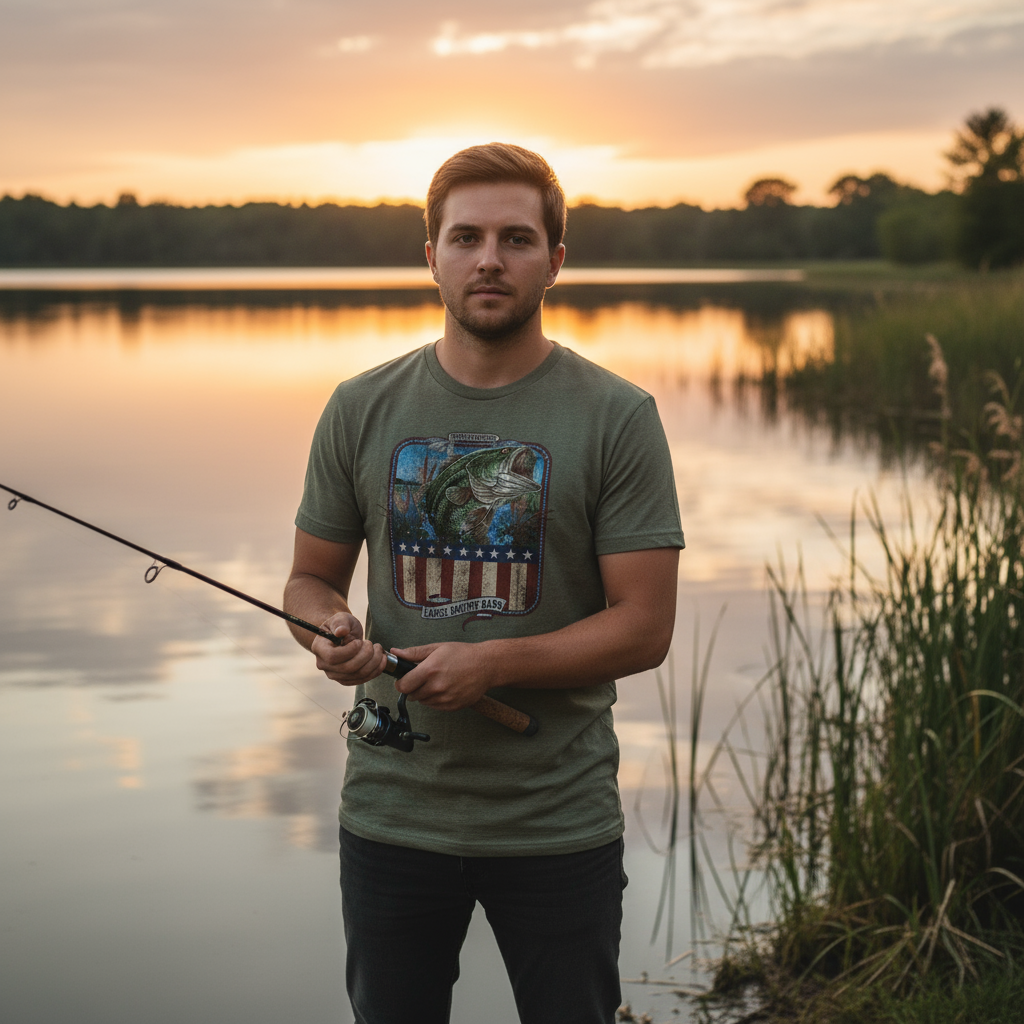
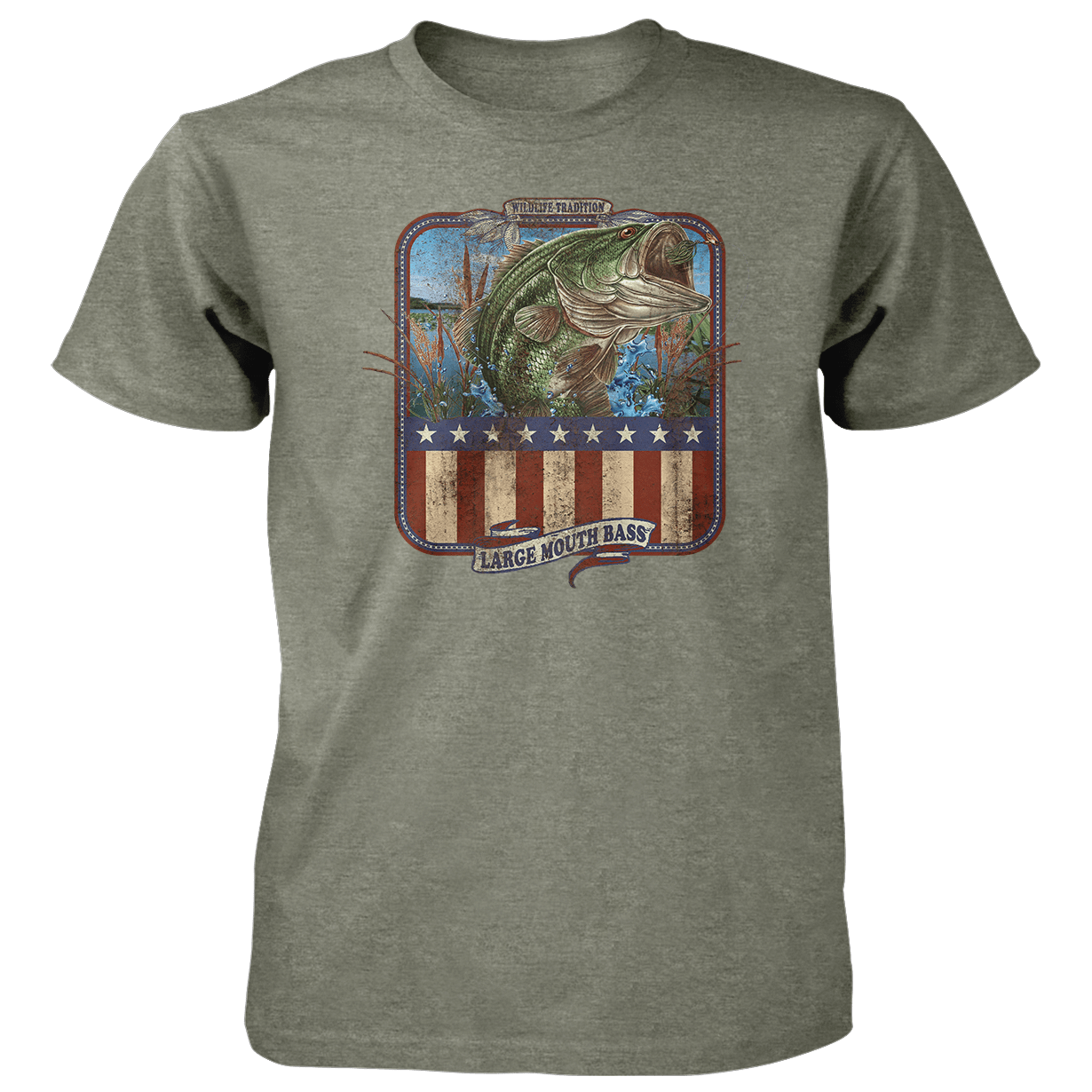
The easiest sunscreen to reapply is the layer you do not have to reapply. Lightweight UPF clothing is one of the most practical additions to a lake-day setup. UPF, or ultraviolet protection factor, indicates how effectively fabric blocks UV rays. A long-sleeve performance shirt, sun hoodie, or rash guard can protect shoulders, arms, chest, and back without making you feel bundled up.
For boating, look for breathable fabric that dries quickly and allows easy movement. A loose long-sleeve fishing shirt works well when driving, casting, or relaxing on the dock. A fitted rash guard may make more sense for tubing, wakeboarding, swimming, or paddle boarding. There is no single right choice. The best option is the one your family will actually wear from morning until the boat is back on the trailer.
Do not forget the lower half. Swim shorts, cover-ups, lightweight pants, and leggings can reduce exposure when the sun is strongest. This is particularly useful for kids who spend the day moving between the water and the boat. A dry cover-up can also make the ride home more comfortable after a long day in a wet swimsuit.
Hats Should Protect More Than Your Face
A baseball cap is better than nothing, but it leaves ears, neck, and the sides of the face exposed. For hours on the water, a wide-brim hat or a cap with a neck flap offers more complete coverage. Look for an adjustable chin strap if your boat gets moving fast. There is no point in having a great lake hat if it ends up floating behind the boat.
A hat should feel light, stay put, and be easy to pack. For younger children, choose one they can tolerate wearing. A soft, quick-dry hat with a strap is often more realistic than a stiff wide-brim style they pull off after five minutes.
Sunglasses Are Eye Protection, Not Just a Lake Look
Sun glare off the water can be intense, even on a hazy day. Quality sunglasses with 100% UV protection help shield your eyes while making it easier to see wakes, docks, swimmers, and changing water conditions. Polarized lenses are especially popular for boaters because they reduce reflected glare from the lake surface.
Choose frames that fit securely and cover as much of the eye area as possible. Wraparound styles offer extra side protection, while a floating retainer can save a favorite pair from becoming part of the lake bottom. Keep a backup pair for guests and kids, because sunglasses are one of those boat-day essentials that tend to disappear.
Make Shade Part of the Boat Plan
Sunscreen and clothing do a lot of work, but shade gives everyone a break. A bimini top, canopy, or covered seating area can make afternoon boating far more comfortable, particularly for young children, grandparents, and anyone taking medication that increases sun sensitivity.
Shade is not a reason to skip sunscreen. Reflected light can still reach you on the water, and the sun moves throughout the day. Think of shade as another layer, not a replacement. It is also a good place to keep a cooler, dry towels, and a small sun-care bag so the basics are always within reach.
If your boat has limited covered space, plan the day around it. Rotate who sits in the shade, take a lunch break under cover, and consider the timing of your outing. The midday stretch, often around 10 a.m. to 4 p.m., is when UV exposure is generally strongest. An early cruise or later afternoon ride can feel cooler and reduce the amount of direct sun your group gets.
Keep a Sun-Ready Boat Bag
The products that stay in the car do not help once you are halfway across the lake. Keep a dedicated boat bag stocked so you are not scrambling during a busy weekend. It is worth including sunscreen lotion, face stick sunscreen, lip balm with SPF, a few extra hats, sunglasses or retainers, lightweight cover-ups, and aloe or after-sun lotion for the ride home.
Use a waterproof pack or dry bag for products that should stay dry, but avoid leaving sunscreen in extreme heat for long periods. The boat console can get hot enough to make lotion messy or affect its texture. A shaded compartment or insulated cooler pocket is usually a better place to keep it.
Smith Lake Gifts and Outdoors can help families put together the practical side of a lake day, from hats and sunglasses to swimwear, waterproof gear, and lake-ready apparel. Having those essentials in one place makes it easier to outfit everyone before a holiday weekend or a last-minute day on the water.
Sun Protection for Kids Needs a Simple Routine
Kids often need more protection than adults because they are in and out of the water, distracted by snacks and floats, and unlikely to remember a reapplication schedule. Make sunscreen part of getting dressed, not something to negotiate at the dock. Apply it before swimsuits go on if that helps you cover their backs and shoulders thoroughly.
UPF swim shirts, wide-brim hats, and kid-sized sunglasses are useful because they reduce the number of exposed areas you need to chase with sunscreen. Still, check often for areas that have been rubbed off by life jackets, towels, or swim goggles. A life jacket is essential safety gear, but it does not cover shoulders, arms, neck, or legs.
Bring familiar snacks, cold water, and a shaded place for breaks. Children can get overheated before they say they are uncomfortable. Watch for unusual tiredness, headache, dizziness, nausea, or flushed skin, and get them into shade and cooled down right away if needed.
Do Not Let Hydration Be an Afterthought
Sun protection is also about how your body handles heat. Drinking water regularly helps everyone feel better during a long day outdoors. Keep a cooler filled with cold water and make it easy to reach. Sports drinks can be useful after lots of sweating, but water should still be the main drink throughout the day.
Alcohol and sun can be a rough combination, especially when you are driving a boat or supervising children. If adults choose to drink, alternating with water and taking breaks in the shade is a much better plan than pushing through the heat. The goal is a fun lake day that still feels good when you are loading up at the ramp.
A little preparation goes a long way: sunscreen before the dock, protective layers for the ride, shade for breaks, and cold water within arm's reach. Set that routine before the first rope goes in or the first paddle hits the water, and you can spend more of the day enjoying Smith Lake instead of recovering from it.