A calm morning on Smith Lake can turn into a hot, breezy afternoon before you paddle back to the dock. That is why knowing what to bring on kayak outings is less about loading every accessory you own and more about packing the few things that keep the day safe, comfortable, and fun.
Whether you are taking the kids along a quiet cove, paddling from the lake house, or spending an afternoon exploring with friends, start with the essentials. Then add only what fits your distance, weather, and plans for the day.
What to Bring on a Kayak: Start With Safety
Your personal flotation device is the first item in the kayak, not an afterthought left in the truck. Every paddler needs a properly sized, Coast Guard-approved life jacket, and children need one made for their weight range. A comfortable paddle-specific PFD is easier to wear for hours, which means people are much more likely to keep it on.
Bring a whistle as well. It is small, inexpensive, and useful if you need to get another boater's attention or signal for help. A bright-colored paddle, hat, or shirt can also make you easier to spot on a wide stretch of water, especially during busy summer weekends.
Check the forecast and lake conditions before leaving. At Smith Lake, wind can make an exposed channel feel very different from a protected cove. If thunderstorms are expected, make a shorter plan or choose another day. Kayaks sit low on the water, so lightning, strong wind, and heavy boat traffic are all good reasons to head in early.
For paddling farther from home, carry a fully charged phone in a waterproof case or dry bag. Tell someone where you are launching and when you expect to return. That simple habit matters even on a lake you know well.
Keep Water, Food, and Sun Care Within Reach
Alabama lake days are thirsty work. Pack more water than you think you will need, especially from late spring through early fall. A reusable bottle is great for a short morning paddle, while an insulated bottle helps keep water cold when the sun is high. Secure it to the kayak or store it where you can grab it without twisting around.
For an easy outing, a few snacks are enough: trail mix, fruit, crackers, jerky, or a sandwich in a reusable container. If kayaking is part of a longer beach, fishing, or family lake day, a small cooler can be worth the added space. Choose foods that handle heat well and keep any trash in a zip bag until you are back on shore.
Sunscreen belongs in every kayak kit. Apply it before launching and bring it along for reapplication, particularly if you will be out longer than two hours. A wide-brim hat or baseball cap, polarized sunglasses with a retainer, and a lightweight long-sleeve sun shirt offer more reliable protection than sunscreen alone. Polarized lenses also help cut the glare bouncing off the water, making it easier to see ahead.
Use a Dry Bag for the Things You Cannot Replace
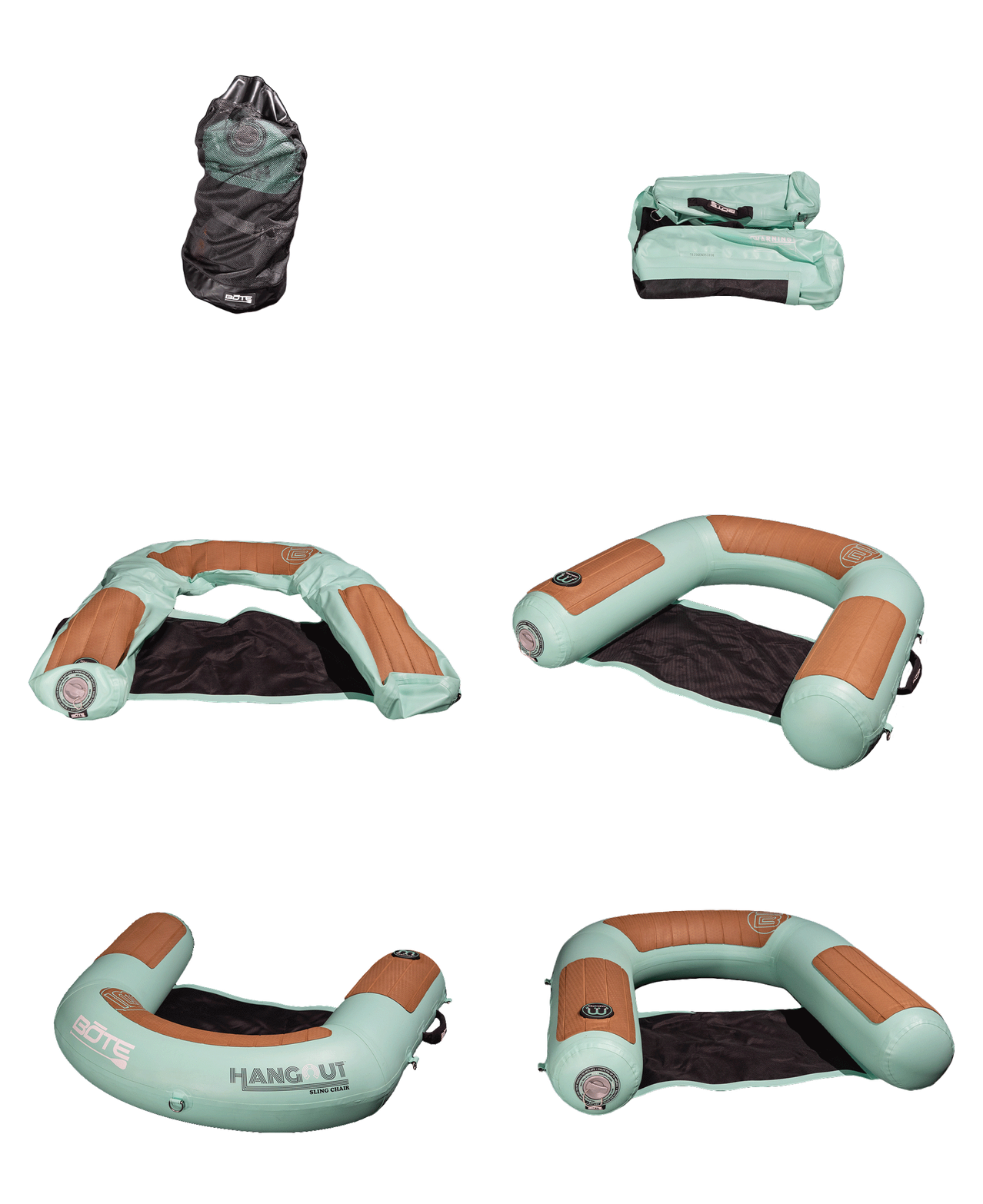
A dry bag earns its place quickly when a paddle drips, a child splashes, or the kayak tips near shore. Put your phone, keys, wallet, medication, and a small backup battery inside before you launch. Roll the top tightly, clip it to the kayak, and avoid relying on a loose bag tucked under a seat.
If you bring a camera, consider whether you are truly willing to risk it. A waterproof phone pouch is often the better choice for casual photos. The goal is to enjoy the lake, not spend the whole trip worrying about electronics.
A basic dry bag can also hold a small first-aid kit, bug spray, a bandana, and a lightweight rain layer. You may not use those items on every outing, but they take very little room and make an unexpected change in weather or comfort easier to handle.
Dress for the Water, Not Just the Dock
The right clothing depends on whether you expect to stay dry, get in the water, or paddle through cooler weather. For warm weather, swimwear or quick-dry shorts and a breathable shirt are more comfortable than heavy cotton. Cotton stays wet and can feel clammy once the breeze picks up.
Water shoes or sandals with secure heel straps are a smart choice for rocky shorelines, slippery ramps, and getting in and out of the kayak. Flip-flops are easy to lose and offer little grip when you need it most. Bring a lake towel and a dry change of clothes in the car if your plans include swimming or if you are paddling with young kids.
On cooler mornings, dress in layers. A light jacket or fleece can be removed and packed as the day warms up. In colder conditions, avoid wearing bulky clothing that could make swimming difficult. The water temperature matters as much as the air temperature, so use extra caution outside the warm-water season.
A Few Kayak Extras Make the Day Easier
Once safety and comfort are covered, add gear based on the kind of paddle you are taking. These are the extras that often make a casual lake outing feel more relaxed:
- A paddle leash keeps your paddle close if it slips from your hands during a swim or snack break.
- A small anchor or tie-up line is helpful for floating, fishing, or taking a break away from shore.
- A waterproof map, saved lake map, or familiar route helps you avoid paddling farther than planned.
- A trash bag protects the lake and keeps snack wrappers, fishing line, and wet items contained.
- A compact towel or seat pad adds comfort on longer paddles.
Pack Differently for Kids, Fishing, and Long Paddles
Family paddles call for a little extra preparation. Kids often need more water, more snacks, more sun protection, and a dry change of clothes than adults. Keep their life jackets properly fitted, and choose a short route with easy places to stop. A simple goal, like paddling to a quiet cove for a swim, is usually more fun than trying to cover miles.
For fishing from a kayak, add your tackle, fishing license, pliers, and a small cooler if you are keeping fish. Keep hooks and sharp tools secured in a tackle box, not loose in the cockpit. Avoid overloading the kayak with rods and gear if conditions are windy or you are still learning how your kayak handles.
Longer paddles deserve a more deliberate plan. Bring extra water, a substantial meal, a backup layer, and enough battery power for navigation and communication. If you are crossing open water, choose a route with safe stopping points and leave plenty of time to return before dark.
Build a Grab-and-Go Lake Bag
The best kayak setup is the one you can use without turning every launch into a packing project. Keep your PFD, whistle, dry bag, sunscreen, sunglasses retainer, and water bottle together in one designated lake bag. After each trip, empty wet items, replace snacks, and restock sunscreen before the next weekend.
Smith Lake Gifts and Outdoors can help make that setup simple, with kayak essentials, life jackets, waterproof packs, lake towels, sun-ready apparel, and the everyday extras that belong by the water. Choose dependable basics first, then make the kit your own.
The best thing to bring on any kayak trip is good judgment. Pack for the conditions, wear your life jacket, respect changing weather, and leave enough room in the day for an unplanned swim, a quiet cove, or one more look across the lake before you paddle home.