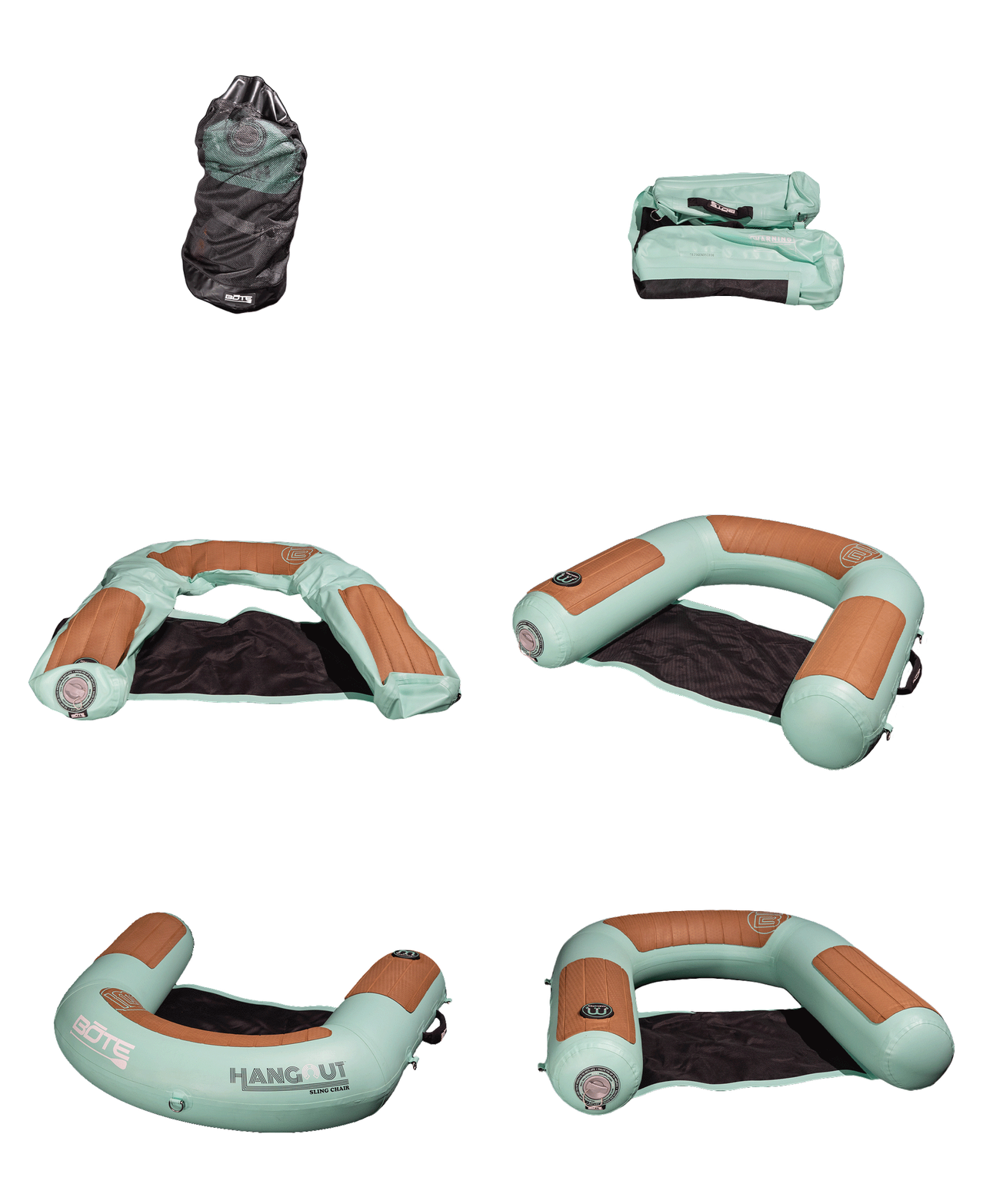
The best paddle board vs kayak choice usually comes down to one honest question: what does your ideal lake day look like? If it includes standing up, stretching, hopping in for a swim, and soaking up the sun in a quiet cove, a paddle board may be your match. If you would rather settle into a seat, cover more water, and bring a cooler or fishing gear along, a kayak may feel like home.
Around Smith Lake, both belong on the water. The right one is not necessarily the fastest, most expensive, or most technical option. It is the one you will be excited to pull out on a Saturday morning, a holiday weekend, or a peaceful late-afternoon paddle.
Paddle Board vs Kayak: The Everyday Difference
A stand-up paddle board, often called a SUP, puts you on top of the water. You can stand, kneel, or sit on the deck as you paddle. That open design makes a paddle board feel active and social. It is easy to step off for a swim, bring a child or friendly dog along for a short ride, and enjoy an unobstructed view of the shoreline.
A kayak places you lower and closer to the water in a molded or framed seat. You use a double-bladed paddle, which many beginners find intuitive right away. The seated position offers more support for longer outings, especially when the water is choppy or your plans involve paddling from one cove to the next.
Neither choice is automatically easier. A wide, stable paddle board can be wonderfully beginner-friendly, while a narrow recreational kayak can feel tippy at first. Shape, width, capacity, seat comfort, and water conditions all matter as much as the category itself.
Choose a Paddle Board If You Want a Flexible Lake Day
Paddle boards are made for people who like options. On a calm morning, you can stand and cruise along the bank. When your legs need a break, kneel or sit. When the Alabama heat wins, slide right into the water and climb back aboard. That freedom is a big part of the appeal.
A board also gives you a higher viewpoint. Standing makes it easier to spot fish, watch for shallow areas, and take in the scenery around the lake. It can feel more like a full-body activity than simply sitting and paddling, which is a plus for people who want gentle exercise with their time outside.
For families, a stable, larger board can be especially fun near the dock or in protected water. Kids often enjoy sitting near the front while an adult paddles, provided the board is rated for the combined weight and everyone is wearing appropriate safety gear. A board can also make a great floating hangout spot between swims.
The trade-off is balance. Beginners should expect to start on their knees or sit down until they get comfortable. Wind can make a board harder to control because you are standing higher above the water, and rough boat wakes can be more challenging than they are in a kayak. A leash is helpful on an open board, but it should be selected and used appropriately for the setting. On a lake, a quick-release waist belt may be a better option than attaching yourself to moving water or any hazard.
Choose a Kayak If Comfort and Cargo Matter Most
A kayak is often the practical favorite for longer, more relaxed paddles. The seat gives your back support, and the lower position can feel more secure when boat traffic creates wakes. You are also less exposed to the wind than you would be standing on a board.
Kayaks shine when your lake day includes gear. Many recreational models offer storage areas, bungee cords, cup holders, and room for a small cooler, dry bag, snacks, towels, or fishing tackle. Anglers especially appreciate the ability to organize rods and supplies instead of balancing everything on an open deck.
For people who want to travel farther, the double-bladed paddle can provide steady, efficient strokes. You do not need to switch the paddle from side to side as you do with a SUP paddle, which can make it easier to maintain direction. A kayak is also a comfortable option for adults who have knee, ankle, or balance concerns that make standing less appealing.
The main trade-off is freedom of movement. Getting in and out can be less graceful, especially from a floating dock, and a kayak is not as convenient for swimming breaks. Sit-inside models provide a more enclosed ride, while sit-on-top kayaks are generally easier to enter, exit, and use in warm-weather lake conditions. For casual Smith Lake recreation, many families prefer sit-on-top styles because they are simple, open, and quick to drain after a splashy afternoon.
Consider Your Water, Not Just the Gear
Smith Lake can be glassy and quiet one day, then busy with boats and rolling wakes the next. Your usual launch spot and paddle time should influence your decision.
A paddle board feels best in protected coves, calmer mornings, and areas where you can take your time. It is a great fit for a short paddle near the lake house, a workout before the day gets busy, or a relaxed float with friends nearby.
A kayak is often more forgiving when conditions are less predictable. If you expect to cross wider water, paddle around points, or stay out when boat traffic picks up, the seated stability and stronger bracing options can be reassuring. That does not mean a kayak is built for every condition, though. Recreational lake kayaks should still stay within their intended use and close to shore when weather changes.
Before heading out, check the forecast, watch for afternoon thunderstorms, and pay attention to wind direction. A light breeze that feels pleasant from the dock can become tiring when you are paddling back across open water.
Storage and Transport Can Make the Decision for You
This is where inflatable paddle boards earn serious points. When deflated, they can fit into a carry bag and ride in the back of an SUV, truck, or even a closet at the lake house. With a good pump and a few minutes of setup, they are ready for the water. They are a smart choice for vacationers, condo owners, and anyone short on storage space.
Hard paddle boards need more room, but they are always ready to grab and go. They can be stored on wall racks or under a covered area with proper protection from prolonged sun exposure.
Kayaks require more storage length, even if they are lightweight. A roof rack, truck bed, trailer, or kayak cart may be part of the plan. Once you have the setup, transporting a kayak is straightforward, but it is worth thinking about before buying. The best boat is not much fun if moving it from storage to the shoreline becomes a chore.
Do Not Skip the Safety Essentials
Whether you choose a board or a kayak, bring a properly fitted U.S. Coast Guard-approved life jacket for every person on the water. On many paddlesports outings, having one nearby is not enough - wearing it is the safer choice, particularly for children, newer paddlers, and anyone in deeper or busier water.
A whistle, waterproof phone pouch, sunscreen, drinking water, and a dry bag for keys and essentials can turn a good outing into an easy one. Bright colors and a light-colored hat also help with visibility and sun protection. If you plan to paddle near dawn, dusk, or after dark, learn the lighting rules that apply to your vessel before launching.
A Simple Way to Decide
Choose a paddle board if you want a versatile, active ride with plenty of swimming, sunshine, and casual cove time. Choose a kayak if you want a supported seat, more gear capacity, and comfortable miles on the water. If your family enjoys both kinds of days, owning one of each can make the lake feel bigger.
At Smith Lake Gifts and Outdoors, the fun starts with choosing gear that fits the way you actually spend time at the lake. Pick the ride that makes it easiest to get outside, pack the life jackets, and leave room in the day for one more quiet cove.